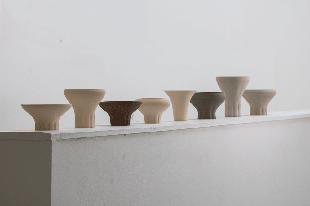
Drinking water has long been taken for granted in Sweden, but today we are seeing many changes suggesting that it won’t continue to be so. This project investigates how people can ensure access to clean water in their daily lives. By working with porous ceramics, I investigate how containers can be shaped to both clean… Continue reading Soraya Hassan
Author: Ad2026MiN
Rebecka Österlund
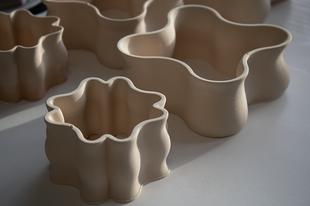
What if materials themselves could become an active part of the environments we live in, rather than relying on electricity-powered products? In a world where most systems require continuous energy input, this degree project explores how the inherent properties of materials can offer an alternative. “Adaptive Atmospheres” is a passive air regulator that operates without… Continue reading Rebecka Österlund
Panisa Jermhansa
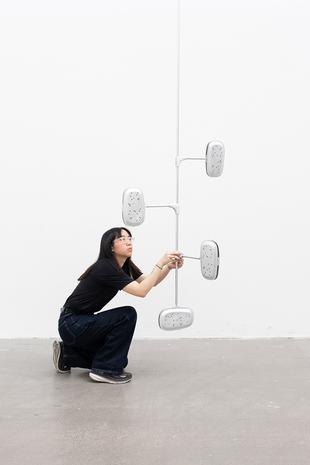
“On Fluctuation” explores how material behaviour can support more climate-responsive public interiors. This degree project investigates phase-change materials (PCMs) as a passive method for moderating indoor temperatures, focusing on their ability to absorb and release heat through natural melt–freeze cycles. Through research, prototyping, and testing, the work develops a hanging artefact that responds to temperature… Continue reading Panisa Jermhansa
Michelle Heising
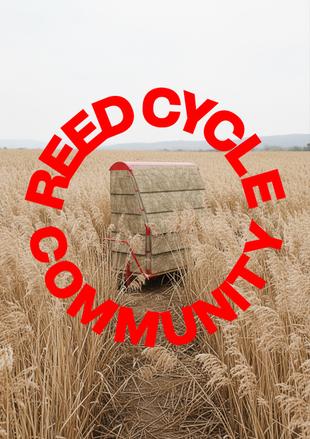
How reed harvesting can save the Baltic Sea. Reeds absorb excess nutrients that cause harmful eutrophication in one of the world’s most polluted seas. When they are harvested correctly, you can relieve the sea of overnutrition, and the invasively growing plant can become a versatile material for building and designing. “The Reed Cycle” is a… Continue reading Michelle Heising
Linn Yue Thomessen
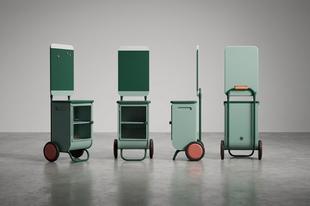
Sweden has long been spared from electricity shortages, climate disasters and wars, but today’s heightened risks require action. To manage large-scale public help for those in need, the state needs citizens to be self-sufficient for seven days. Yet, many lack the conditions, resources, finances and motivation to prepare alone. “Hubbe”, developed with Lidingö Municipality, is… Continue reading Linn Yue Thomessen
Francesca Pezzotti Schjetnan

Our forests are burning. As temperatures rise, landscapes become increasingly dry, and one of the most critical factors in determining wildfire spread is soil moisture. Wet soil slows combustion, protects roots and microorganisms, and sustains the ecological networks that allow forests to remain resilient. Without it, forests become fuel. My degree project explores how carbon… Continue reading Francesca Pezzotti Schjetnan
Émilie Gibert
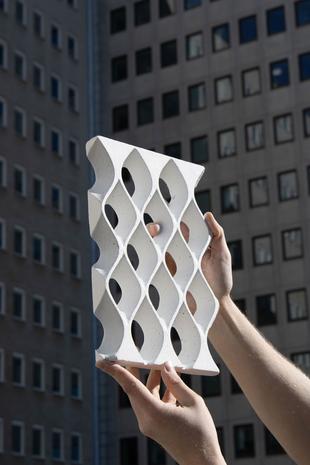
‘Cyanobacteria made plants possible, which made animals possible, which made humans possible, which made buildings possible’ — B. Colomina What if we could grow buildings that breathe and capture carbon, just like a tree? “Matter of Place” proposes a living building material made from cyanobacteria and oyster shells from the Swedish coast. Through photosynthetic biomineralisation,… Continue reading Émilie Gibert
Brohwyn Brennan
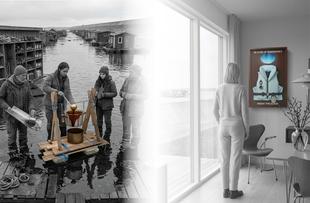
What comes to mind when you think of collapse? Perhaps you imagine sudden downfall or total destruction? Informed by ecofeminist theories, I define collapse as an ongoing process of systemic and infrastructural breakdown. It is a condition occurring at different speeds, one that is unevenly experienced and shaped by factors such as geography and class.… Continue reading Brohwyn Brennan
Anna Maier
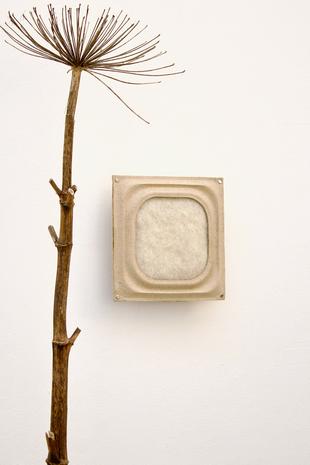
Why design with a toxic invasive species? Invasive alien species are one of the leading causes of global biodiversity loss and they are a critical ecological challenge. This work responds by connecting design with environmental protection, turning the notorious giant hogweed into a resource with ecological and economic value. Giant hogweed is a toxic plant… Continue reading Anna Maier
Andreas Lejon

What if design began with what nature gives, rather than what can be taken? This degree project investigates pinecones and pine resin as alternative forest materials. Instead of relying on harvested timber, it explores how these annually recurring resources can be transformed into industrial materials such as bioplastics, fibre composites and structural board. Building on… Continue reading Andreas Lejon