Astrid Gustafsson
In a therapy room, words are expected to carry what is sometimes the most difficult to express. Conversation is psychology’s primary tool, but what happens when words aren’t enough? In a therapy room that is today strongly verbally oriented, there is a need for complementary forms of expression, such as aids that can open up the conversation – without requiring a descriptive narrative from the beginning.
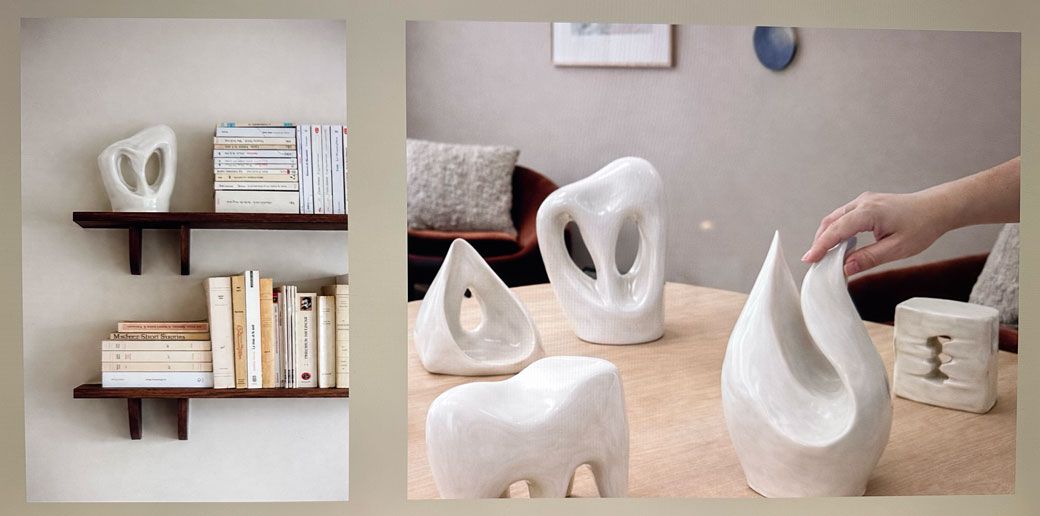
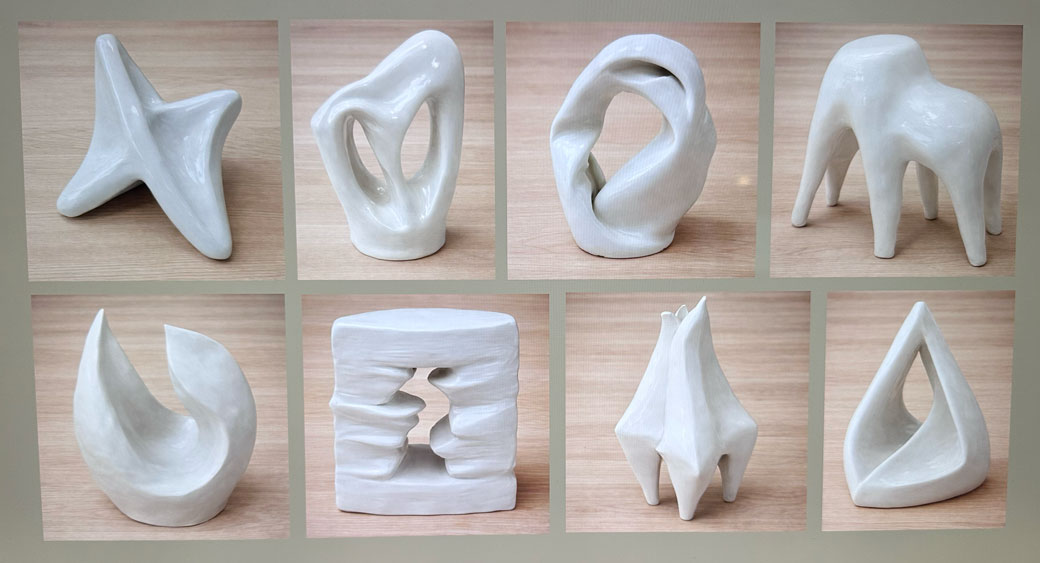
This degree project takes its point of departure in this issue. The project investigates how physical form, tactility and symbolism can function as support in psychological conversations. It resulted in the development of handheld objects based on Carl Gustav Jung’s theory of the twelve archetypes. By translating these archetypes into physical, tactile objects, a new type of therapeutic tool is created – one which can be held in the hand, felt, turned and experienced without it being put into words.
The work combines design, psychology and material research to create a tool that reinforces security and personal development in the therapy room.